Skip to content
Think with Jude
Think with Jude
Think with Jude Think with Jude
  • Work with Jude
    • Organisations
    • Professionals
    • New managers
  • Meet Jude
  • Book
  • Insights
  • Contact

© 2025, Think with Jude. All rights reserved.

Think like a coach: insights

A weekly email packed with practical, actionable tips to help managers lead with empathy and impact.

Get fresh insights to help you think differently, coach confidently, and lead more effectively.

Sign me up

Quick links

Start here
Coach your team
Coach yourself
Coaching FAQs
How to coach employees to think for themselves - Person holding fishing rod over the water
6 min read

Are you the reason your team member is underperforming?

A donut with coloured sprinkles and a birthday candle in the middle.
7 min read

What advice would you give yourself at 21?

A brown rope tied in a knot on a white background
9 min read

How to ask for help from your network

Five hands doing a group fist bump over an office desk.
7 min read

Stop giving your team ALL the credit

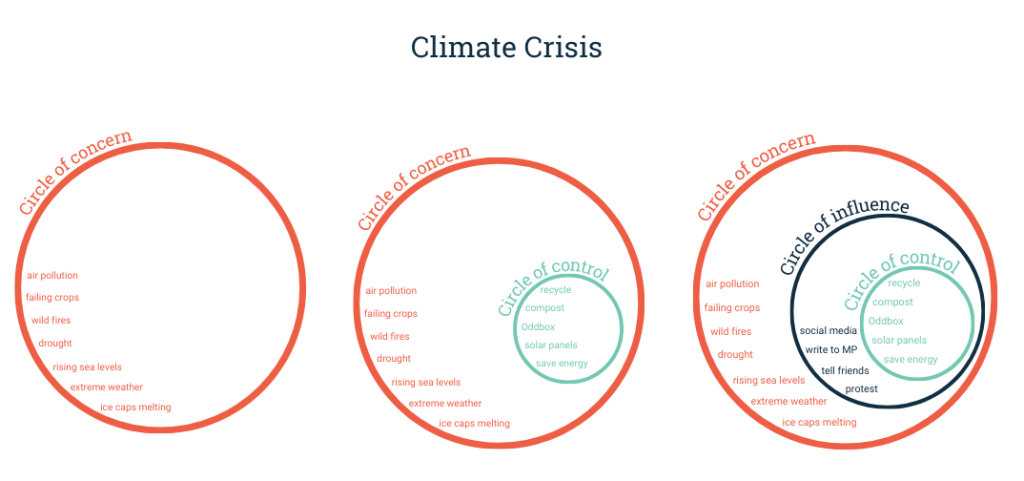
Image 1: My circle of concern about the climate crisis that lists, air pollution, failing crops, wild fires, droughts, rising sea levels, extreme weather and ice caps melting. Image 2: My circle of control inside my circle of concern that lists recycle, compost, Oddbox, solar panels and save energy. Image 3: Circle of control lists things I can do about the climate crisis such as recycle. It is inside my circle of influence that lists ways I can get others to do something such as tell friends. These are both inside my circle of concern, all the things that worry me about the climate crisis such as wild fires.
10 min read

Weight of the world on your shoulders?

Two people, with their back to us, waking down a path in a park.
8 min read

Try coaching, you can’t get it wrong

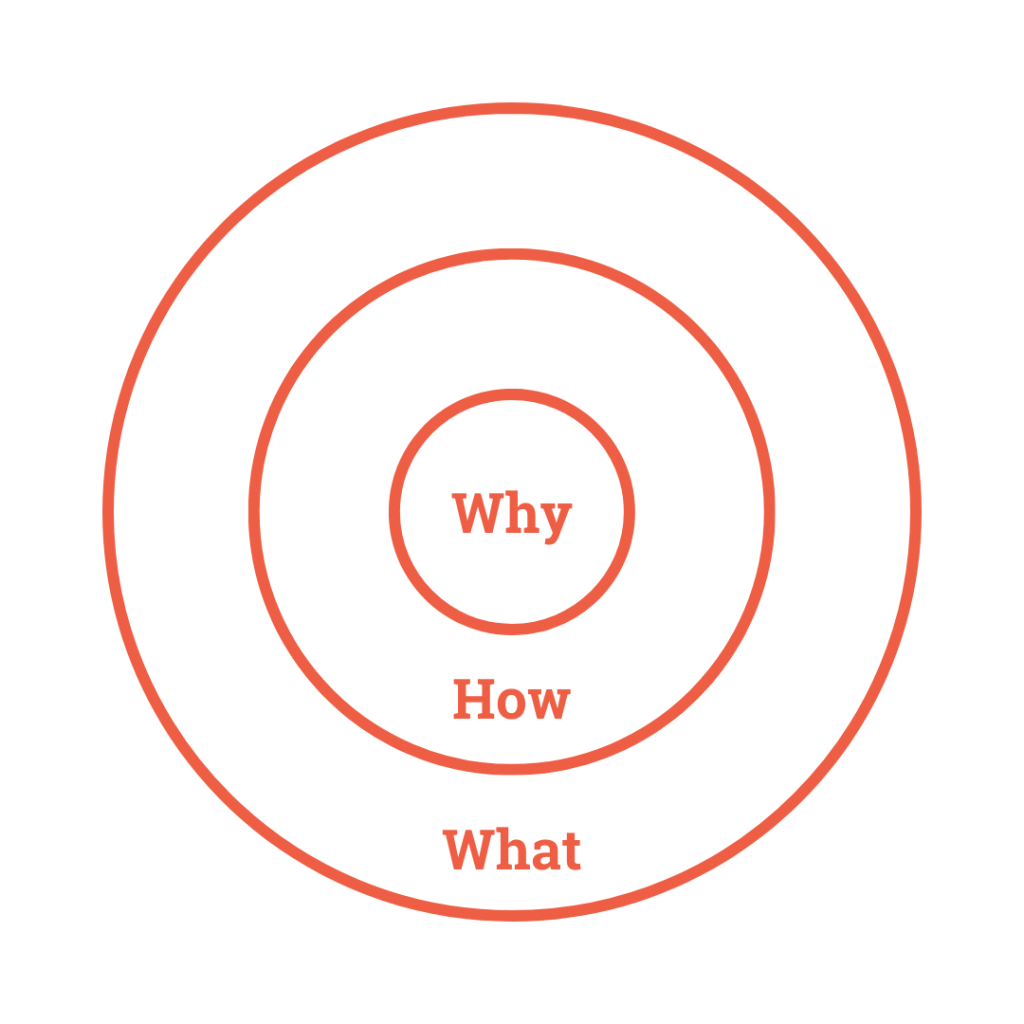
Three concentric circles. The middle one is labelled why, the second one is labelled how and the outside one is labelled what.
11 min read

Presenting tips part 4: There are no boring people, only boring stories.

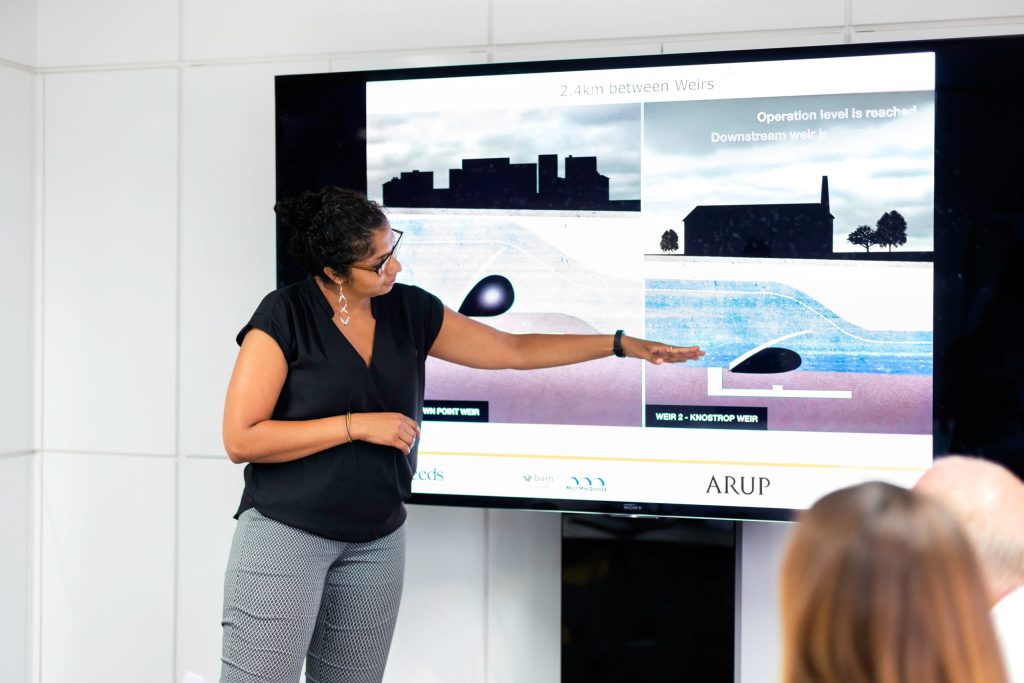
A person standing at the front of the room pointing to a presentation on screen.
11 min read

Presenting tips part 3: Control your environment

A woman standing with her hands on her hips
11 min read

Presenting tips part 2: Does power posing really work?

Black and brown small dog with a curly coat hiding under a brown wooden bench.
11 min read

Presenting tips part 1: Breathing

A diagram of the Coaching Triangle. Attention is at the top in an organise circle. The purpose of this is so your team member feels you’re interested in what they have to say. Then there are two options. To the left in a green circle is tell me more. The purpose of asking this is so your team member feels you care. On the right is a green circle with summarise. The purpose of this is so your team member feels heard.
8 min read

The majority of global workers are disengaged but managers can do something about it

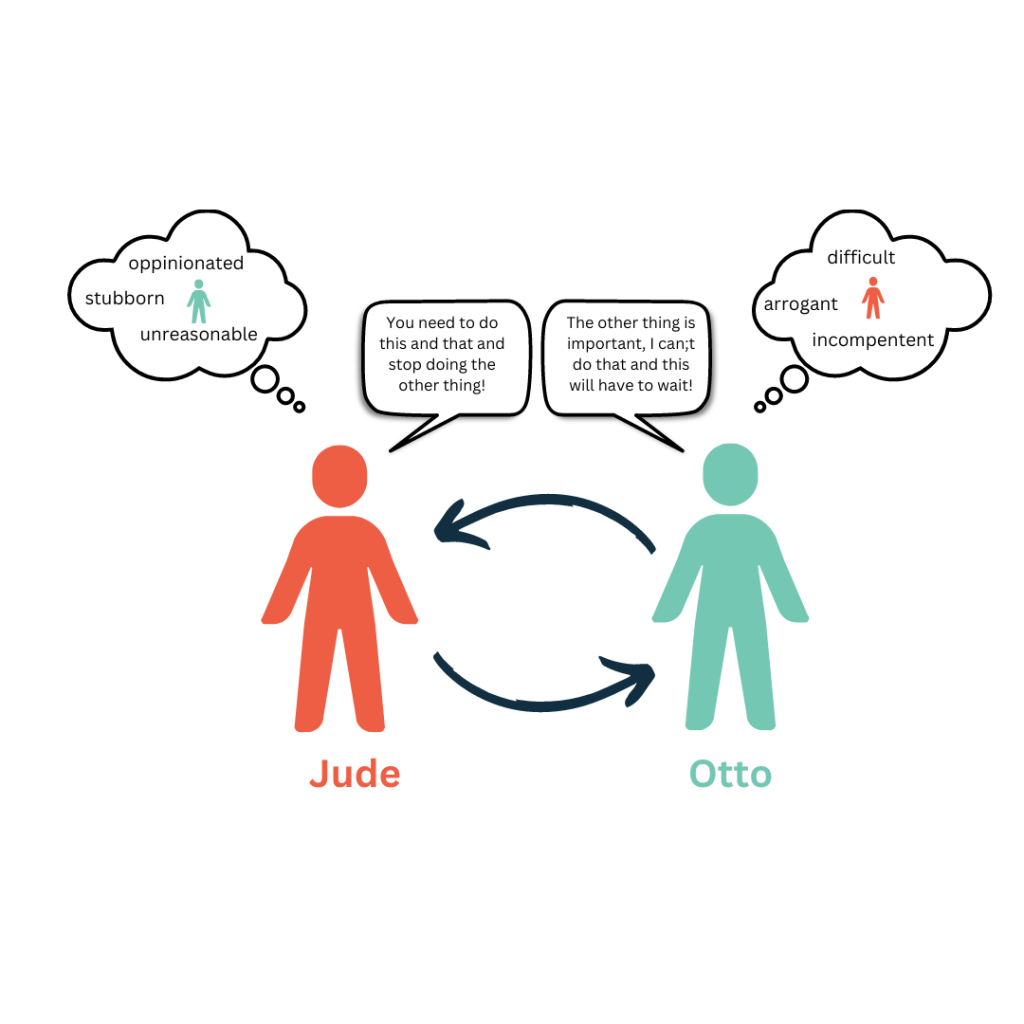
A diagram illustrating the relationship described in the text between me and Otto.
8 min read

Why is your relationship with your nemesis so bad?

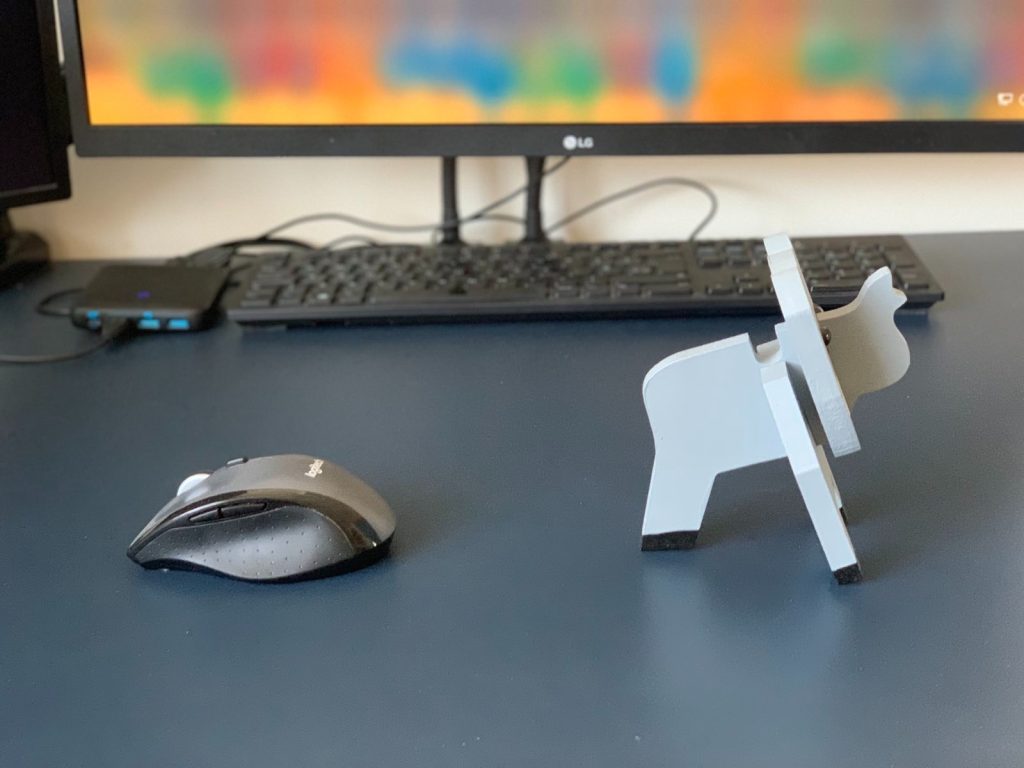
A picture of my desk illustrating the example. There is a computer mouse on the left and a wooden elephant that holds spectacles on the right.
8 min read

How to understand your nemesis

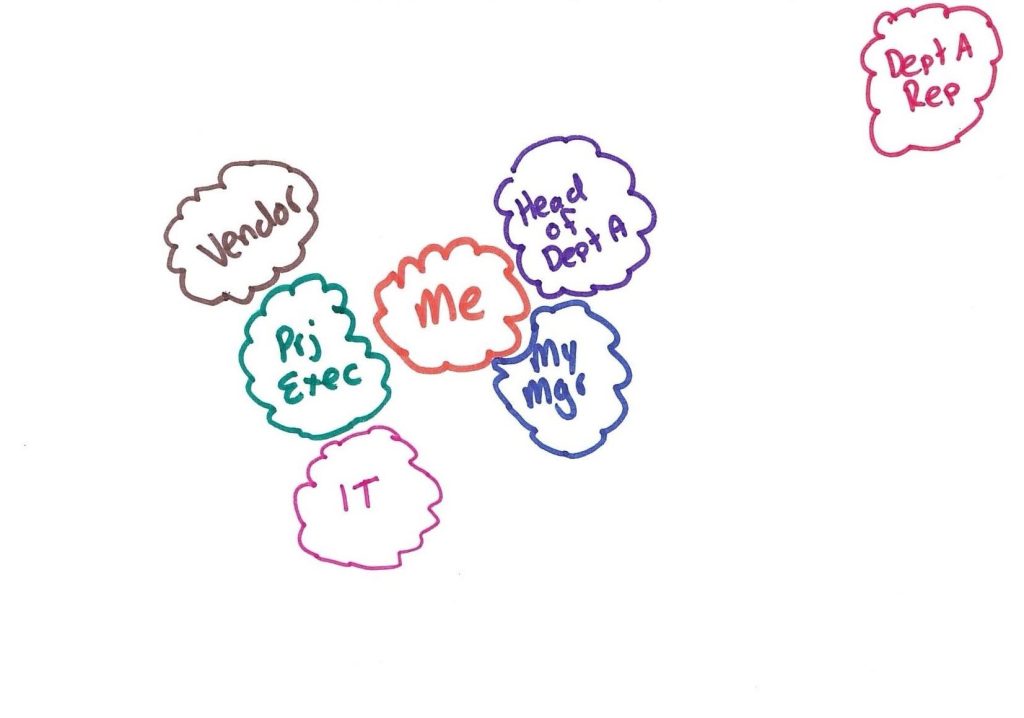
A communication map that shows me in the middle of the page with other bubbles representing the vendor, project executive, IT, my manager and head of department A close to me and a bubble for the Department A Representative in the far top left corner.
5 min read

A visual self-coaching tool

An example of and espalier tree against a brick wall. It has one central truck and four layers of horizontal branches
6 min read

What nature tell us about growth

Jude Sclater
7 min read

The paradoxical theory of change

  • 1
  • 2
  • 3
  • 4
  • 5
  • 6
  • 7
  • Think with Jude
  • Contact
  • Jude Sclater
  • 07769704837
  • jude@thinkwithjude.com
  • Connect on LinkedIn
    • More Information
    • Privacy Policy
    • Website T&Cs
  • Insights

    • The Coaching Two-Step explained
    • Listen, don’t fix – the first coach-like principle
    • Ask first, tell last – the second coach-like principle
    • You follow, they lead – the third coach-like principle
© 2025, Think with Jude. All rights reserved.